Publications
publications by categories in reversed chronological order.
2020
- UW-Madison
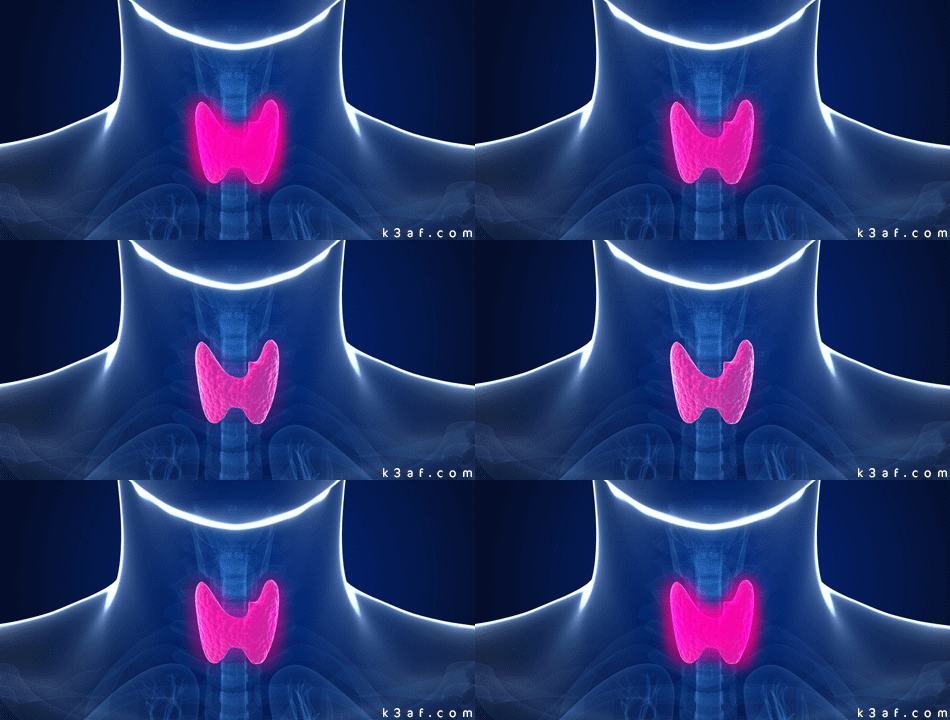 Rates of Transient Hypoparathyroidism Post-Thyroidectomy - It is All in the DefinitionUW Health, Department of Surgery, Sep 2020
Transient hypoparathyroidism is the most common complication after total thyroidectomy, but unfortunately there is no single accepted definition for this postoperative complication. The lack of a universal definition makes it impossible to compare outcomes across institutions or registries. Although institution specific incidences can be reported to patients in select cases, this is not unanimously applicable. This is problematic because patient education and expectations regarding the true incidence of this common complication are unclear which creates deficiencies in the consent process. As a result of the variability in the definition of postoperative transient hypoparathyroidism, we see inconsistent treatment protocols, potentially delayed hospital discharges and increased healthcare costs. It is difficult to establish best practices when we are not all measuring the same outcome.
2019
- UW-Madison
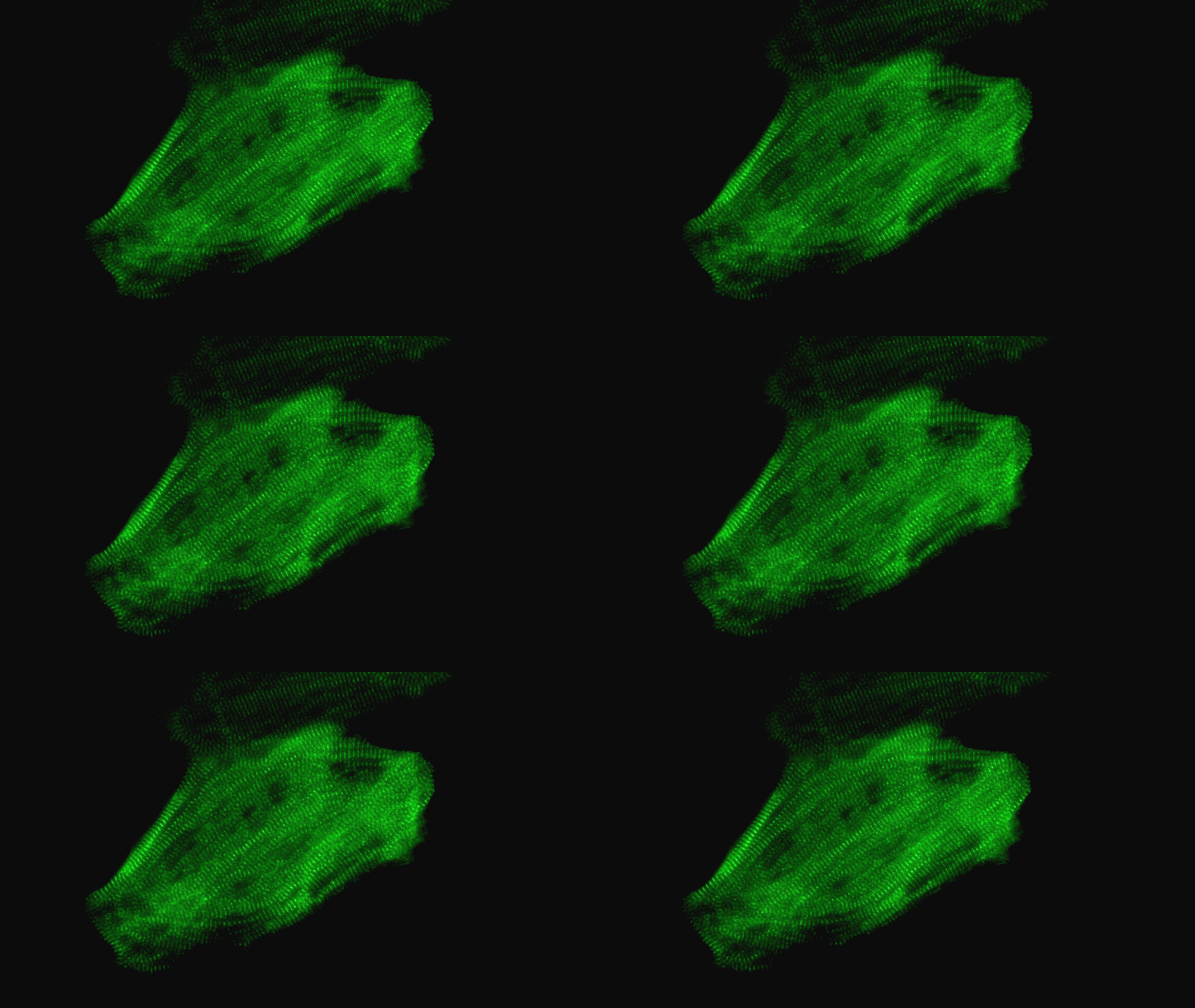 Epigenetic Priming of Human Pluripotent Stem Cell-Derived Cardiac Progenitor Cells Accelerates Cardiomyocyte MaturationOxford Academic, Jul 2019
Human pluripotent stem cell-derived cardiomyocytes (hPSC-CMs) exhibit a fetal phenotype that limits in vitro and therapeutic applications. Strategies to promote cardiomyocyte maturation have focused interventions on differentiated hPSC-CMs, but this study tests priming of early cardiac progenitor cells (CPCs) with polyinosinic-polycytidylic acid (pIC) to accelerate cardiomyocyte maturation. CPCs were differentiated from hPSCs using a monolayer differentiation protocol with defined small molecule Wnt temporal modulation, and pIC was added during the formation of early CPCs. pIC priming did not alter the expression of cell surface markers for CPCs, expression of common cardiac transcription factors, or final purity of differentiated hPSC-CMs. However, CPC differentiation in basal medium revealed that pIC priming resulted in hPSC-CMs with enhanced maturity manifested by increased cell size, greater contractility, faster electrical upstrokes, increased oxidative metabolism, and more mature sarcomeric structure and composition. To investigate the mechanisms of CPC priming, RNAseq revealed that cardiac progenitor-stage pIC modulated early Notch signaling and cardiomyogenic transcriptional programs. Chromatin immunoprecipitation of CPCs showed that pIC treatment increased deposition of the H3K9ac activating epigenetic mark at core promoters of cardiac myofilament genes and the Notch ligand, JAG1. Inhibition of Notch signaling blocked the effects of pIC on differentiation and cardiomyocyte maturation. Furthermore, primed CPCs showed more robust formation of hPSC-CMs grafts when transplanted to the NSGW mouse kidney capsule. Overall, epigenetic modulation of CPCs with pIC accelerates cardiomyocyte maturation enabling basic research applications and potential therapeutic uses.
2018
- UW-Madison
 Abstract 17323: Polyinosinic-Polycytidylic Acid Primes Cardiac Progenitors From Human Induced Pluripotent Stem Cells for Enhanced Cell Therapy and Cardiomyocyte MaturationCirculation, Nov 2018
Cardiomyocytes derived from human induced pluripotent stem cells (hiPS-CMs) hold promise for disease modeling, drug discovery, and therapy, but the challenge remains to create mature cardiomyocytes like those found in the adult heart. While groups have increased the maturity of hiPS-CMs in extended culture with electrical, metabolic, and mechanical stimulation, we hypothesized that epigenetic modulation during the formation of cardiac progenitors (hiPS-CPCs) could enhance their capacity to form mature CMs. We found that priming with the innate immune agonist polyinosinic-polycytidylic acid (pIC) decreased cardiac lineage-HDAC expression during the formation of hiPS-CPCs in defined small molecule monolayer differentiation. While both untreated and primed day 5 hiPS-CPCs contained equivalent >80% purity of KDR+PDGRF alpha + CPC populations, gene expression studies using RNAseq demonstrated that pIC priming enhanced the early cardiogenic and Notch signaling programs. When both groups were differentiated in basal media, primed hiPS-CPCs gave rise to more mature cardiomyocytes based on larger cell size, increased optical action potential upstroke velocity, greater oxidative metabolism, enhanced sarcomere maturation, and upregulated transcriptional markers of CM maturation including cTnI, cardiac actin, and alpha MHC. These maturation effects of pIC treatment were blocked by the Notch inhibitor DAPT. Most impressively, primed hiPS-CPCs improved survival as well as myocardial systolic/diastolic function in a mouse model of myocardial infarction.